Credit freeze vs identity monitoring: which do you actually need?
One is free and stops most new-account fraud before it starts. The other watches for trouble and tells you about it afterwards. They're not rivals — but the free one comes first.
Short answer
Freeze first, monitor second. A credit freeze is free at each of the three bureaus — Equifax, Experian and TransUnion — and stops anyone opening new credit in your name. Identity monitoring only watches for misuse and alerts you; add it on top of a freeze if you want alerts and help, not instead of one.
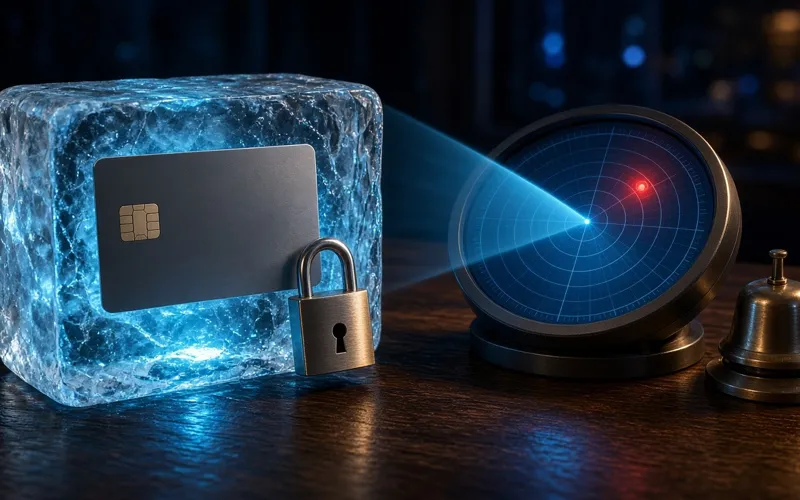
If someone gets hold of your personal details, the biggest financial risk is that they open new credit in your name. In the US there's a free tool that blocks most of that before it happens — a credit freeze. Identity monitoring services do something different: they watch for signs of misuse and alert you.
What a credit freeze does
- While it's in place, nobody can open a new credit account in your name.
- It's free to place and to lift.
- You place it with each of the three credit bureaus — Equifax, Experian and TransUnion.
- It lasts until you lift it, and it doesn't affect your credit score.
- When you apply for credit, lift it at the bureau the lender will check, then freeze again afterwards.
What a fraud alert does
- It asks lenders to verify your identity before granting new credit in your name — but, unlike a freeze, it doesn't stop them seeing your credit report.
- An initial fraud alert lasts one year and can be renewed. You contact one bureau, which must tell the other two.
- An extended fraud alert lasts seven years and is for people who have experienced identity theft and filed an FTC identity theft report or a police report.
- You can have a fraud alert and a credit freeze at the same time.
What identity monitoring does
- It watches for your details in known breach data, for new accounts or changes on your credit file, and alerts you when something appears.
- It works after the fact: it tells you something happened rather than stopping it.
- Depending on the service, it may add help with restoring your identity or insurance — the scope varies, so read the terms.
- It's usually a paid service, sold on its own or bundled into some security suites.
Credit lock vs credit freeze
Some credit bureaus also sell "credit locks" as part of their own products. Their terms and costs vary, so read them before signing up. A freeze does the core job — blocking new credit — for free.
Which do you need?
- Not planning to apply for credit soon: freeze your credit at all three bureaus. It's free and it's the strongest single step.
- Caught in a data breach or worried about identity theft: freeze, and consider a fraud alert as well.
- Want alerts, one dashboard and help if something goes wrong: add identity monitoring on top of a freeze — not instead of one.
Freeze first, monitor second. The free step stops the fraud; the paid one tells you about it.
Sources · checked Oct 13, 2026
PrivacyTechReview Editorial Team
Editorial
Our editorial team researches consumer security products using public vendor documentation and independent laboratory reporting.